Manchester City has reportedly been found guilty on 114 of the 115 charges brought against the club over breaches of Premier League financial regulations, potentially bringing one of the longest-running stories in English soccer closer to a conclusion.
According to reports citing The Athletic’s David Ornstein, an independent commission found 114 charges proven. However, the story is far from finished: sanctions have not yet been determined, and Manchester City is expected to appeal.
The charges stem from the Premier League’s investigation into Manchester City’s finances and include allegations concerning accurate financial information, player and manager compensation, UEFA financial regulations, Profitability and Sustainability Rules and cooperation with the league’s investigation.
🚨 EXCLUSIVE: Manchester City found guilty on virtually all charges relating to breaches of Premier League financial regulations. #MCFC expected to appeal against verdict issued by independent commission. Sanctions undecided, process ongoing @TheAthleticFC https://t.co/Muxqp4beK9
— David Ornstein (@David_Ornstein) September 25, 2026
The immediate question is what punishment Manchester City could ultimately face.
Until sanctions are announced, speculation ranging from financial penalties and points deductions to much more severe sporting consequences should remain exactly that: speculation. The scale of the reported findings, however, makes the eventual punishment one of the biggest decisions in recent Premier League history.
But Manchester City is also the centerpiece of something much larger: City Football Group.
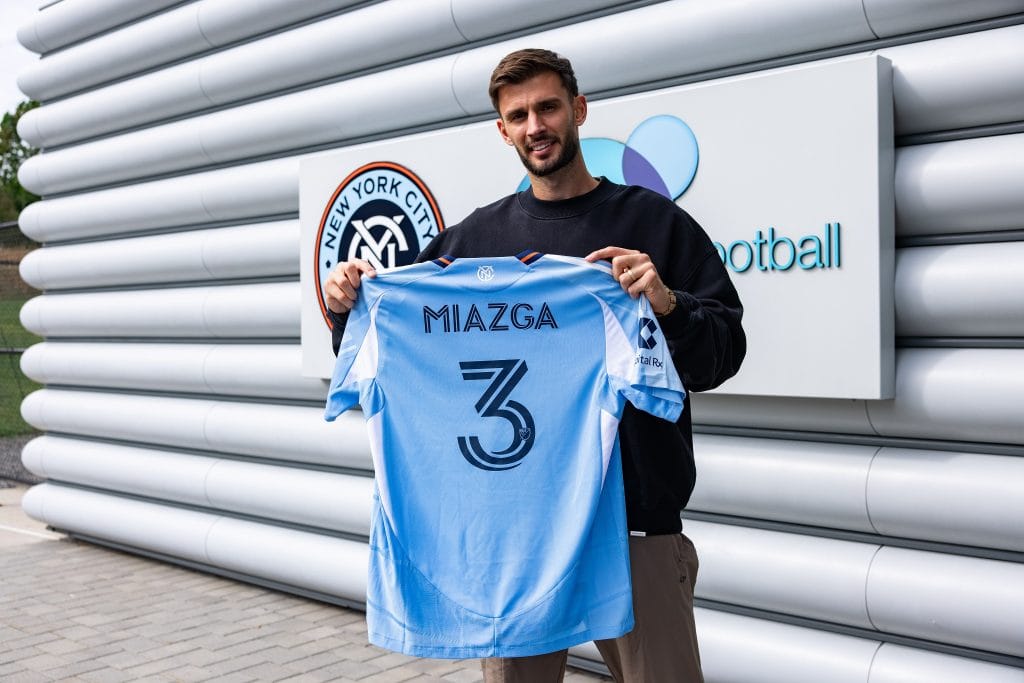
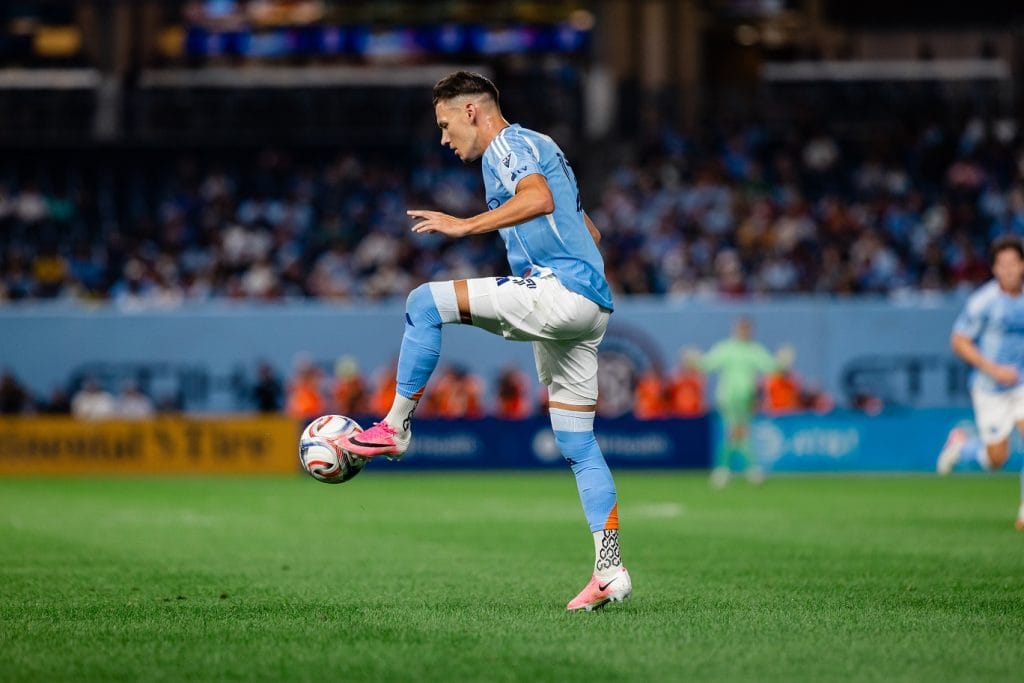
For American soccer fans, that brings New York City FC into the conversation.
There is currently no indication that NYCFC faces disciplinary action from Major League Soccer because of Manchester City’s Premier League case. The clubs operate in separate leagues and under different governing structures. Manchester City receiving a sporting penalty would therefore not automatically mean an MLS points deduction or other punishment for NYCFC.
The more interesting question is whether the consequences could eventually be felt at the CFG level.
A significant financial or sporting penalty against the group’s flagship club could potentially create wider questions involving CFG’s reputation, commercial relationships, allocation of resources and overall multi-club strategy. That does not mean NYCFC will be adversely affected, but it makes the broader ramifications worth watching.
🚨𝗕𝗥𝗘𝗔𝗞𝗜𝗡𝗚: This are the list of punishment Manchester city may face after being found guilty of 115 Premier League charges relating to financial breaches.
— David Ornside (@David_Ornside) September 25, 2026
1. Removed from the premier league (they will start all over from league two)
2. Strip off of all Domestic… pic.twitter.com/a0mMzufVJg
Another familiar CFG name actually has less exposure than it once did.
Yokohama F. Marinos announced in June that CFG transferred its entire ownership stake in the Japanese club to Nissan. Marinos and CFG will continue their relationship as partner clubs, but CFG is no longer a shareholder.
That distinction illustrates why the Manchester City ruling shouldn’t simply be applied across every club associated with City Football Group.
For NYCFC supporters, the biggest question right now isn’t whether Manchester City’s reported violations suddenly become New York City’s problem. There is currently no evidence suggesting that they do.
Instead, the question is what happens to the rest of a massive international soccer organization if its flagship club receives a historic punishment.
Until the sanctions and appeals process become clearer, that remains unanswered.
But the effects of this decision may ultimately be worth watching far beyond Manchester.